Homey Decor
LED Profile Lighting
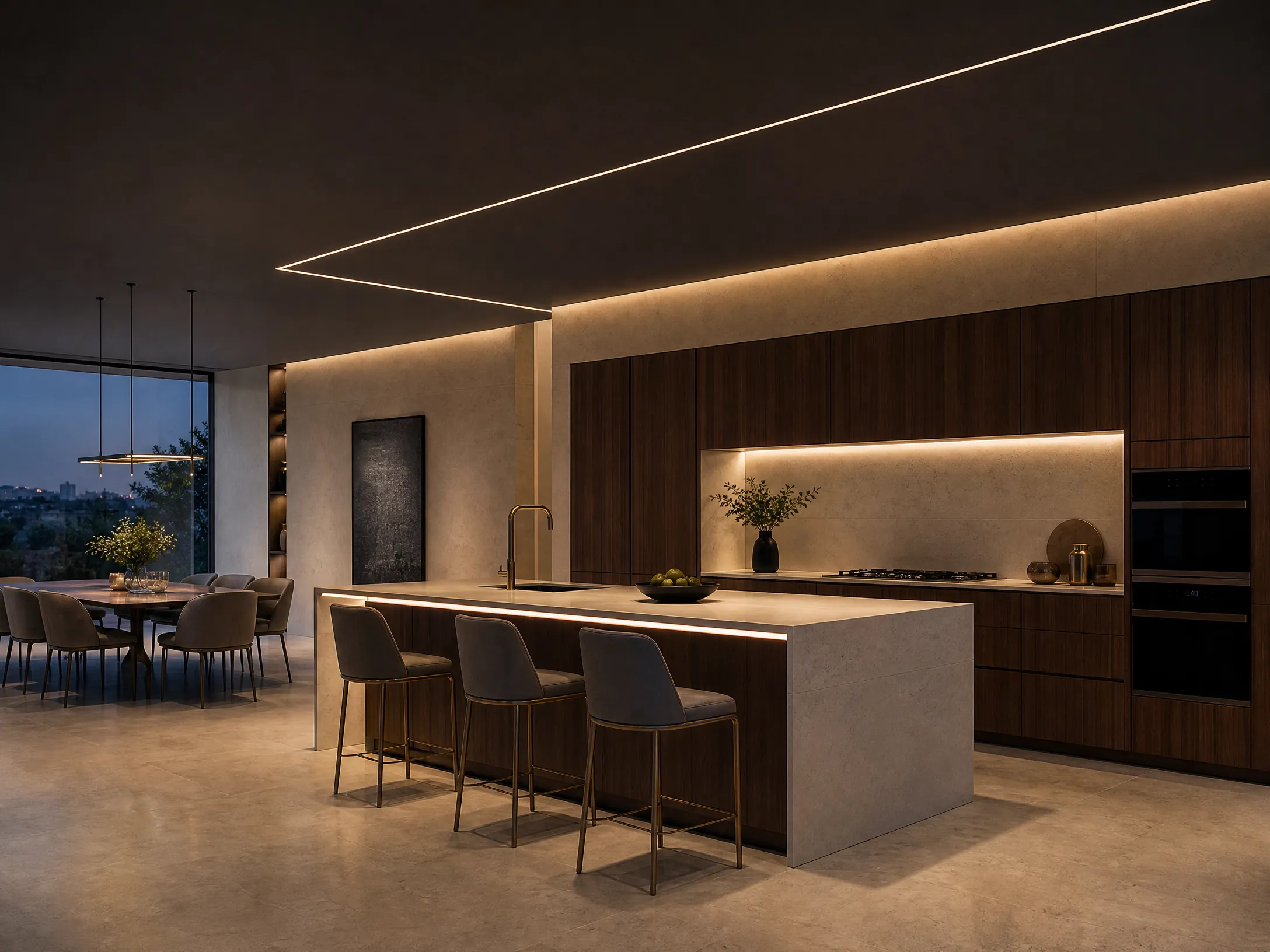
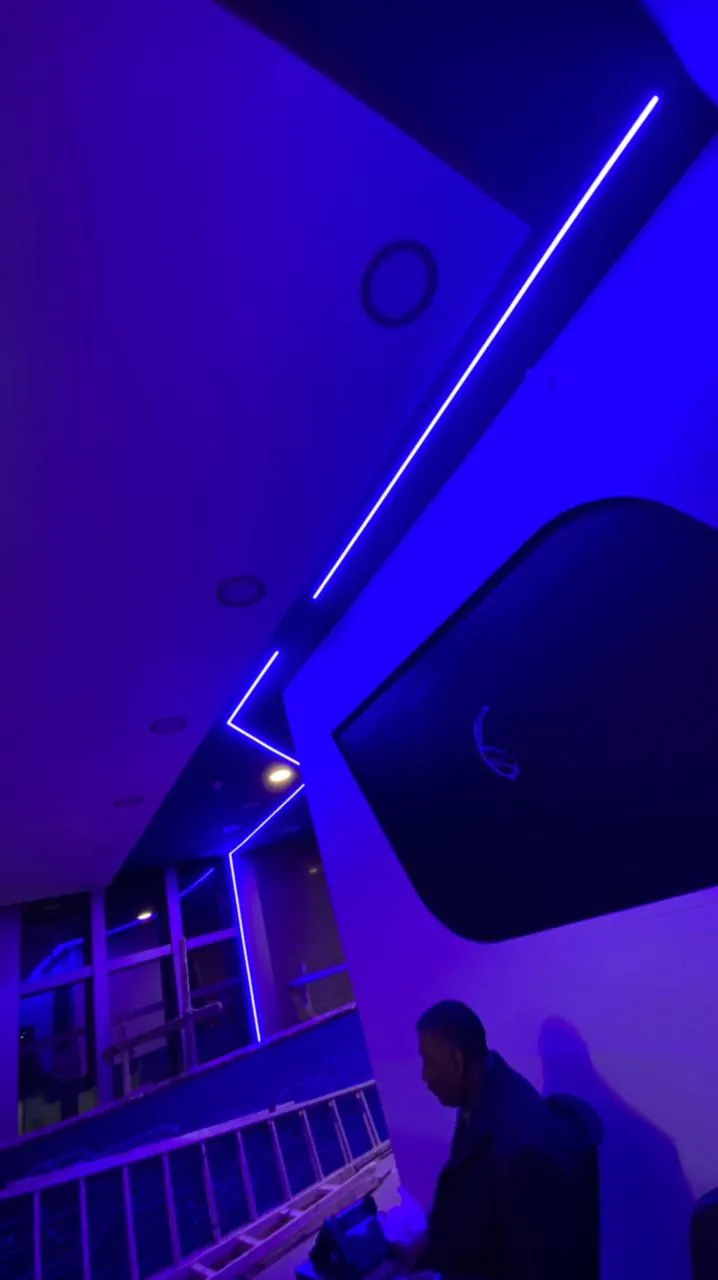
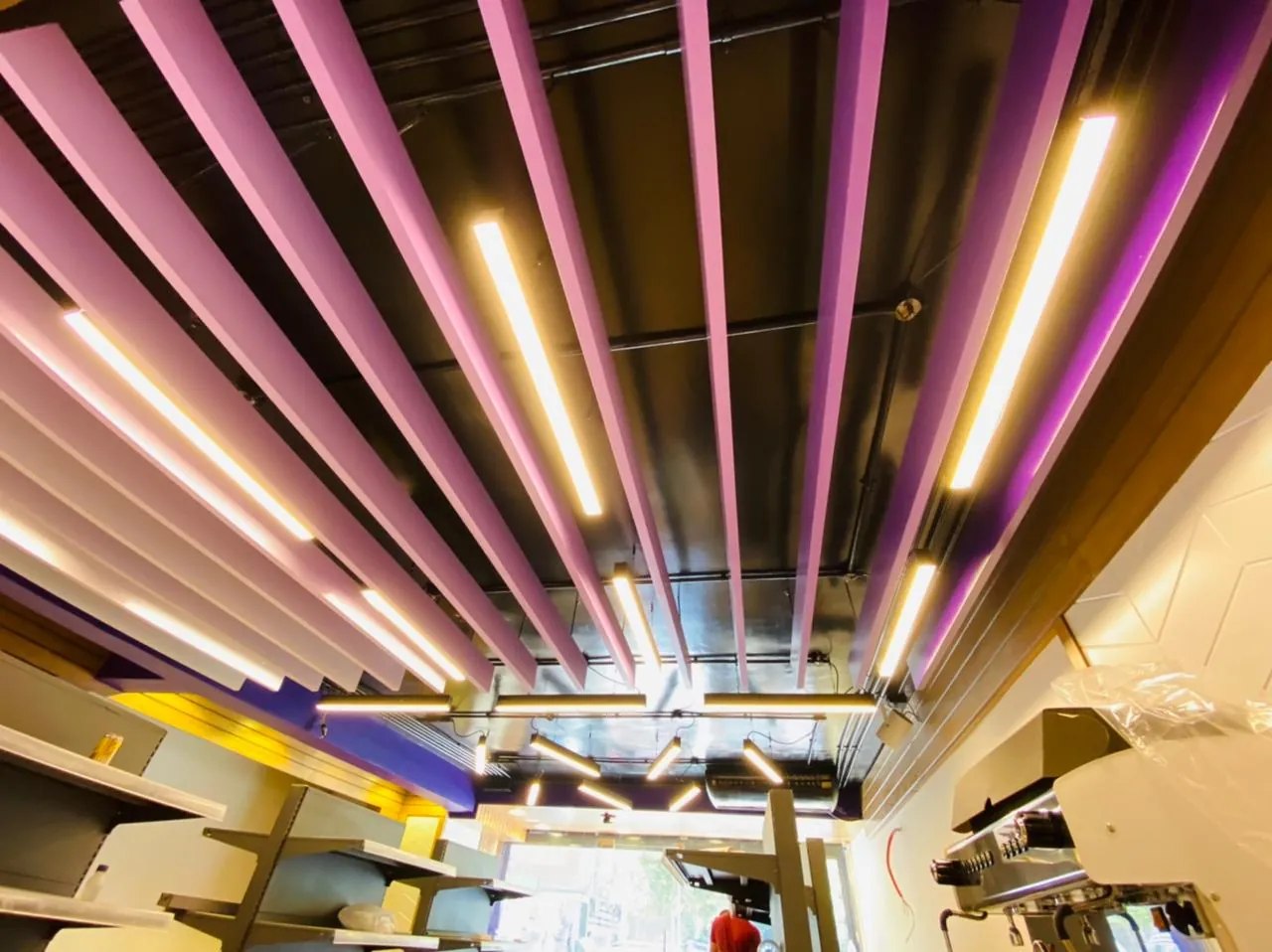
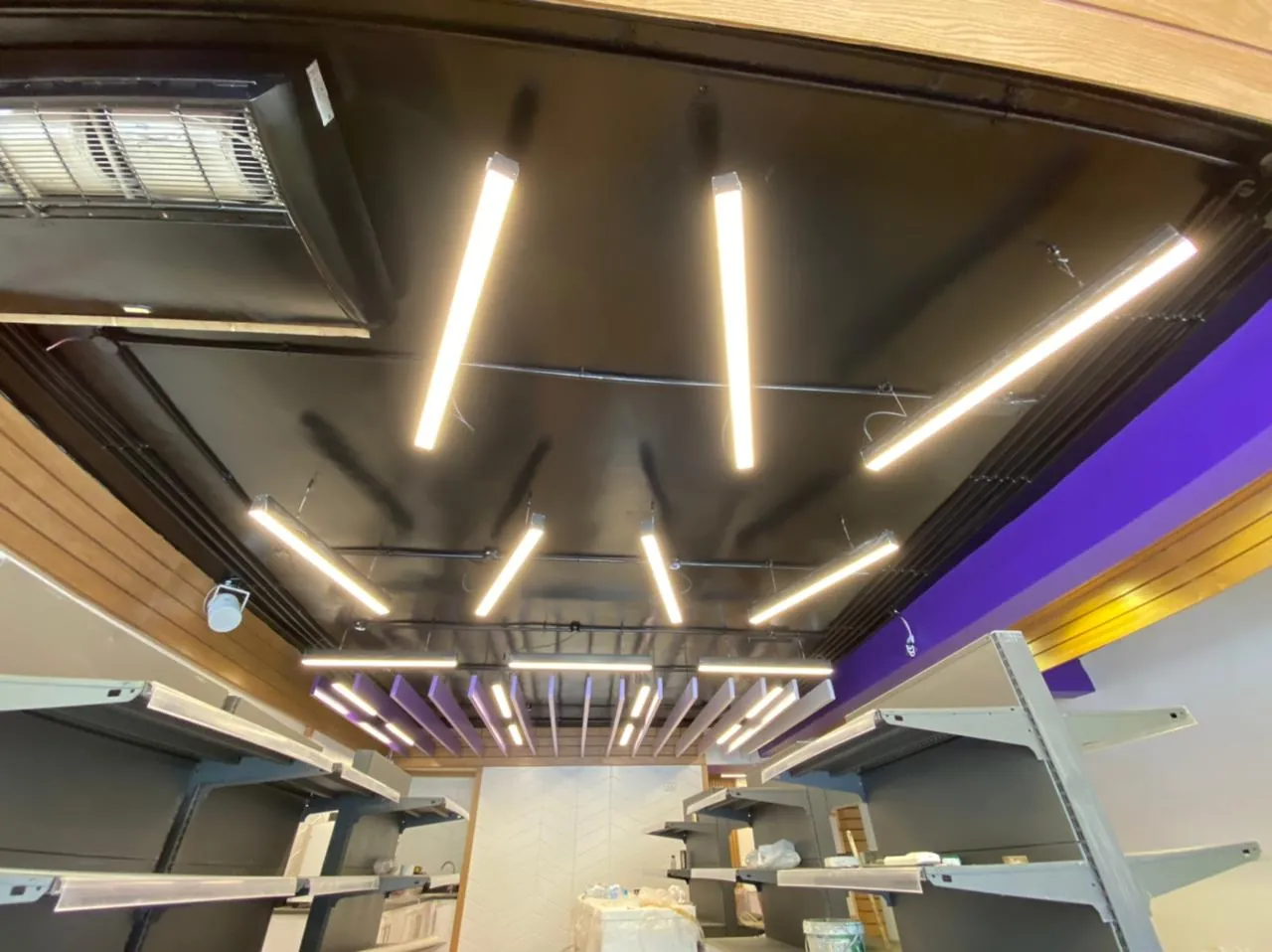
Homey Decor designs architectural LED profile lighting as clean, integrated lines within ceilings, walls and joinery. We plan profile locations, installation depth, light distribution and glare control around the details of each space, coordinating the technical points required for the project. This linear lighting solution is distinct from LED mirrors. Send photos of your space or request a consultation to explore the right layout.
Read the matching guide ↗Homey Decor designs and installs architectural LED profile lighting—recessed linear runs and cove details that integrate with your ceiling geometry while controlling glare. We tailor diffuser types, recess depths and dimming options to suit each room’s function and appearance, coordinating profiles with ceiling finishes and joinery. A site visit and layout review ensure the lighting lines function as intentional architectural elements rather than afterthoughts.
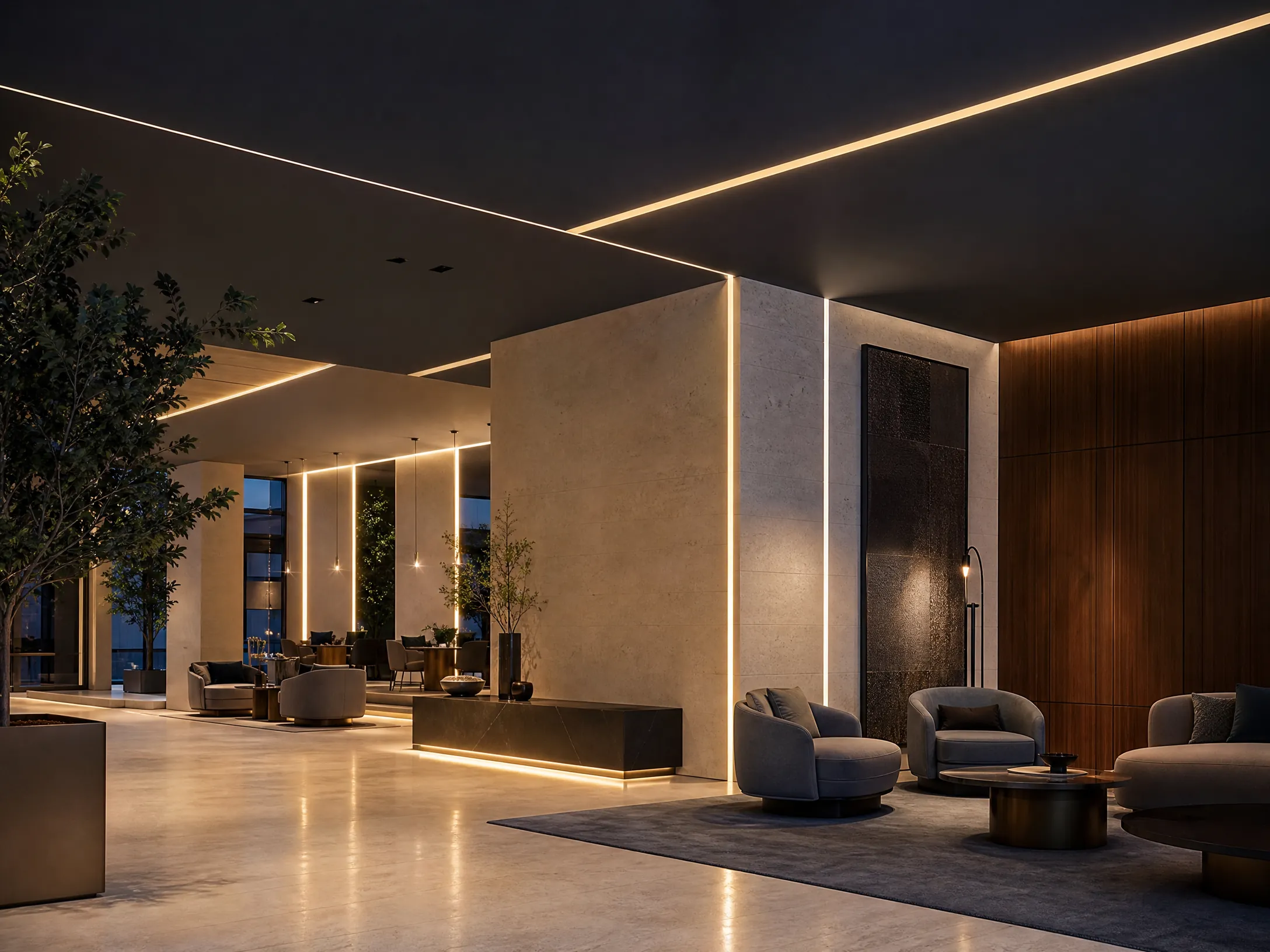
Most commonly used in lighting ceilings, walls, kitchens and dressing rooms
It is an aluminum strip inside which a high-intensity LED strip is installed. It can be formed on walls or ceilings in any straight shape, and is relied upon as a main source of lighting with a power of 30 watts per meter, with a modern and elegant appearance that suits every place that needs strong lighting.
Specifications
- Luminous power: 30 watts per meter for basic lighting · 16 watts for lower lighting
- Doesn't burn out over time — doesn't need frequent repurchasing
- It does not leave uneven light spots, and the LED strip is not visible to the viewer
- Easy to disassemble, install and clean
- A dimmer can be installed to control the lighting intensity
- Energy efficient — Powered by 12V via adapter
- Available in all colors: white, warm, neutral
- 5-year warranty including all parts and installation
Why Homey
- Specialist engineers' site inspection to verify all details and ensure optimal results
- Available in all colors, designs and very large custom sizes
- Warranty on all work and installation
- Over 10 years of experience
Practical guide before requesting an inspection
LED profile layout: main light or decorative detail
LED profile lighting is not a random line of light on the ceiling; Rather, it is an element that is determined from the beginning according to whether it is the main light source or a detail to highlight a wall, kitchen, or dressing room. Inside the aluminum profile protects the LED strip and gives the line a tidy and homogeneous appearance.
Which spaces can benefit from this idea?
- Roof lines for a living room when structured general light is required
- Lighting under cabinets or inside a kitchen to enhance the preparation area
- A detail inside a dressing room or around a decorative wall to highlight depth and materiality
Factors affecting scope of work and price
We provide a quote after a free site visit because each project differs in size, material and details. These are the main factors we review before proposing:
What should you send before the site visit?
Photograph the ceiling or wall and identify existing light sources and what you want to change the feel of: general lighting, a work area, or a decorative element. Also let us know if you prefer warm white or neutral white.
To answer general questions before contacting us, seeFrequently Asked Questions. And to see our approach to projects, discoverCase studies.
Read before making a decision
InComprehensive lighting guideYou'll find a more detailed explanation to help you compare options and prioritize the space before starting implementation.
From our actual projects
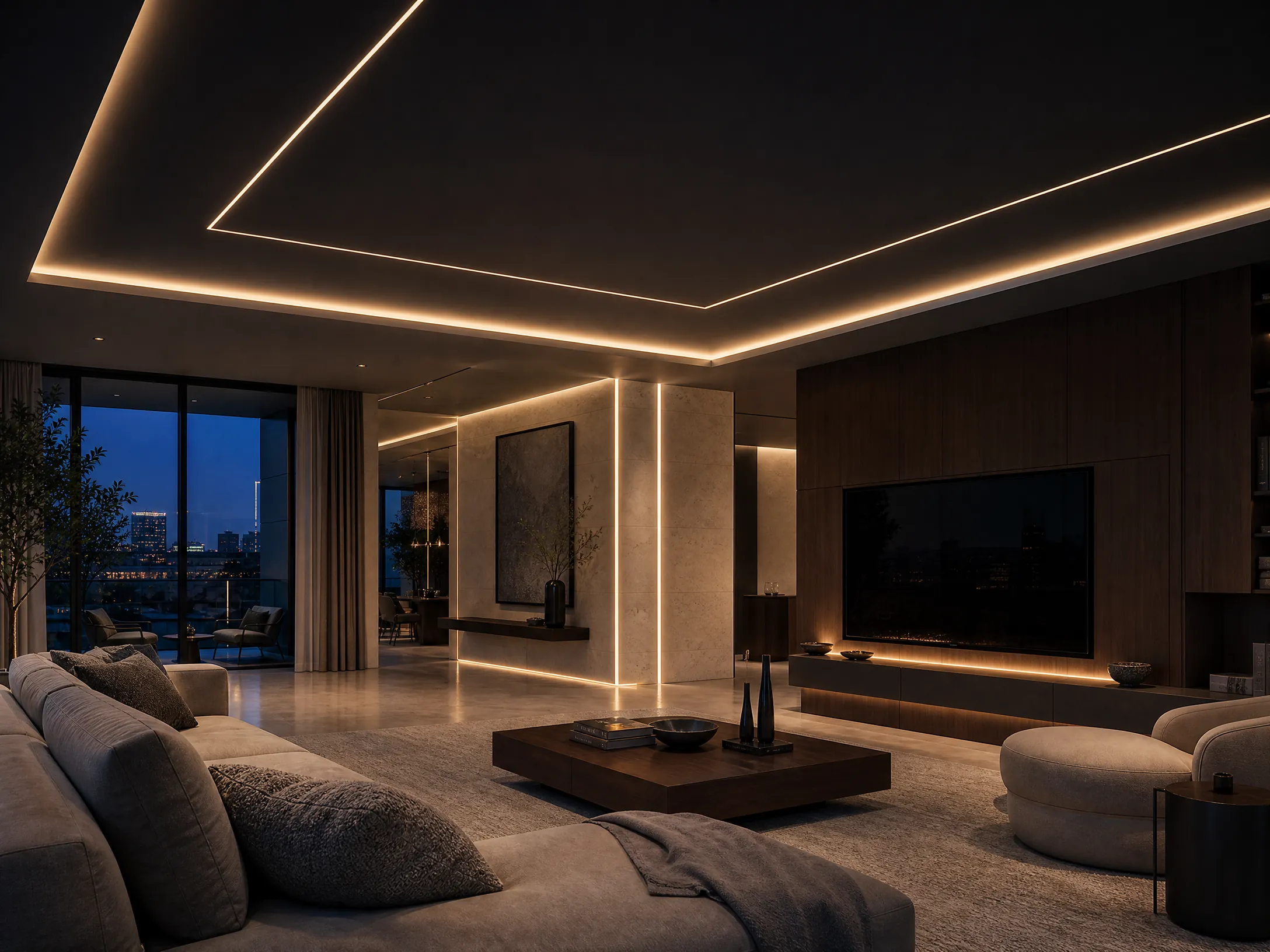
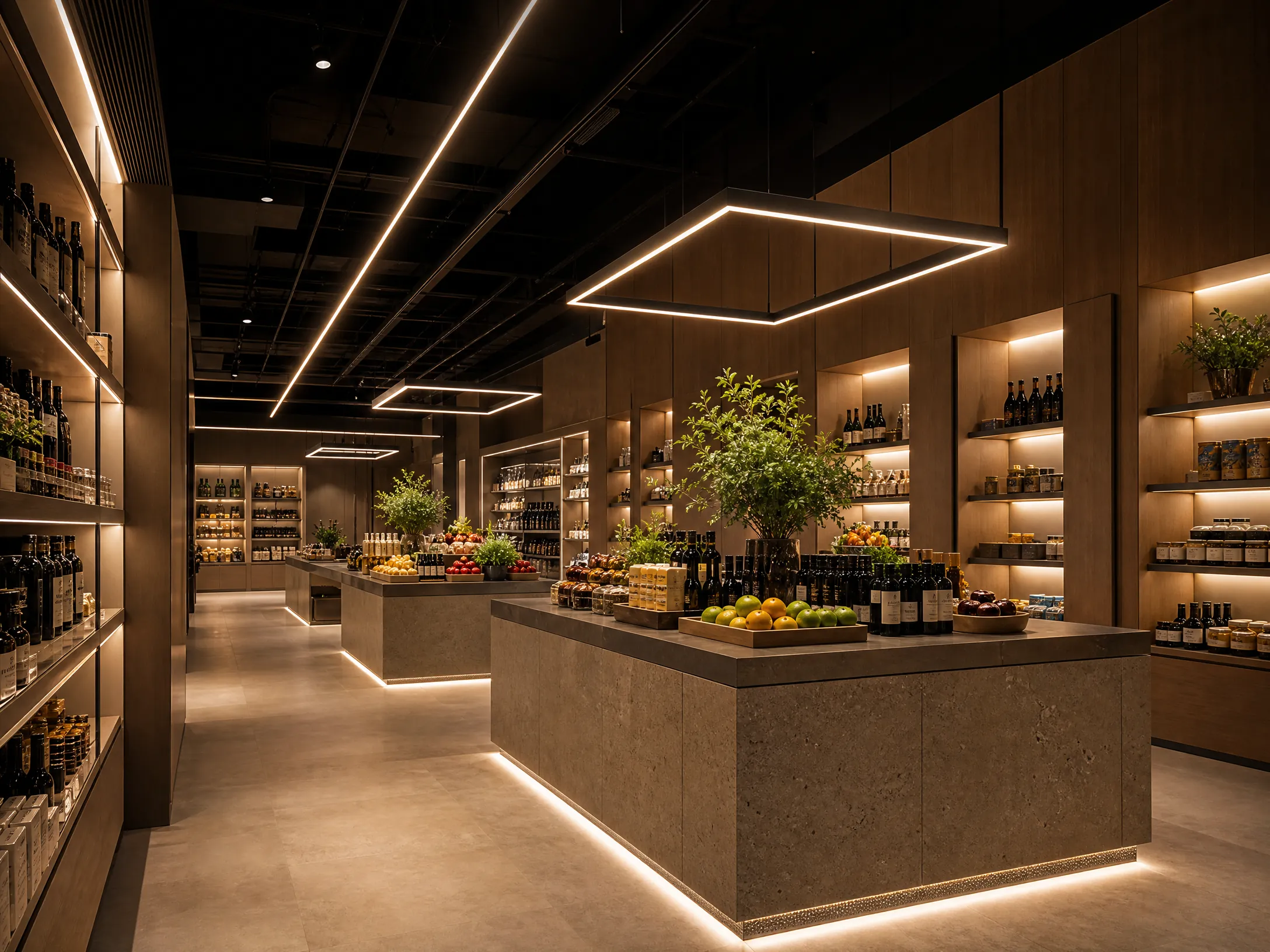
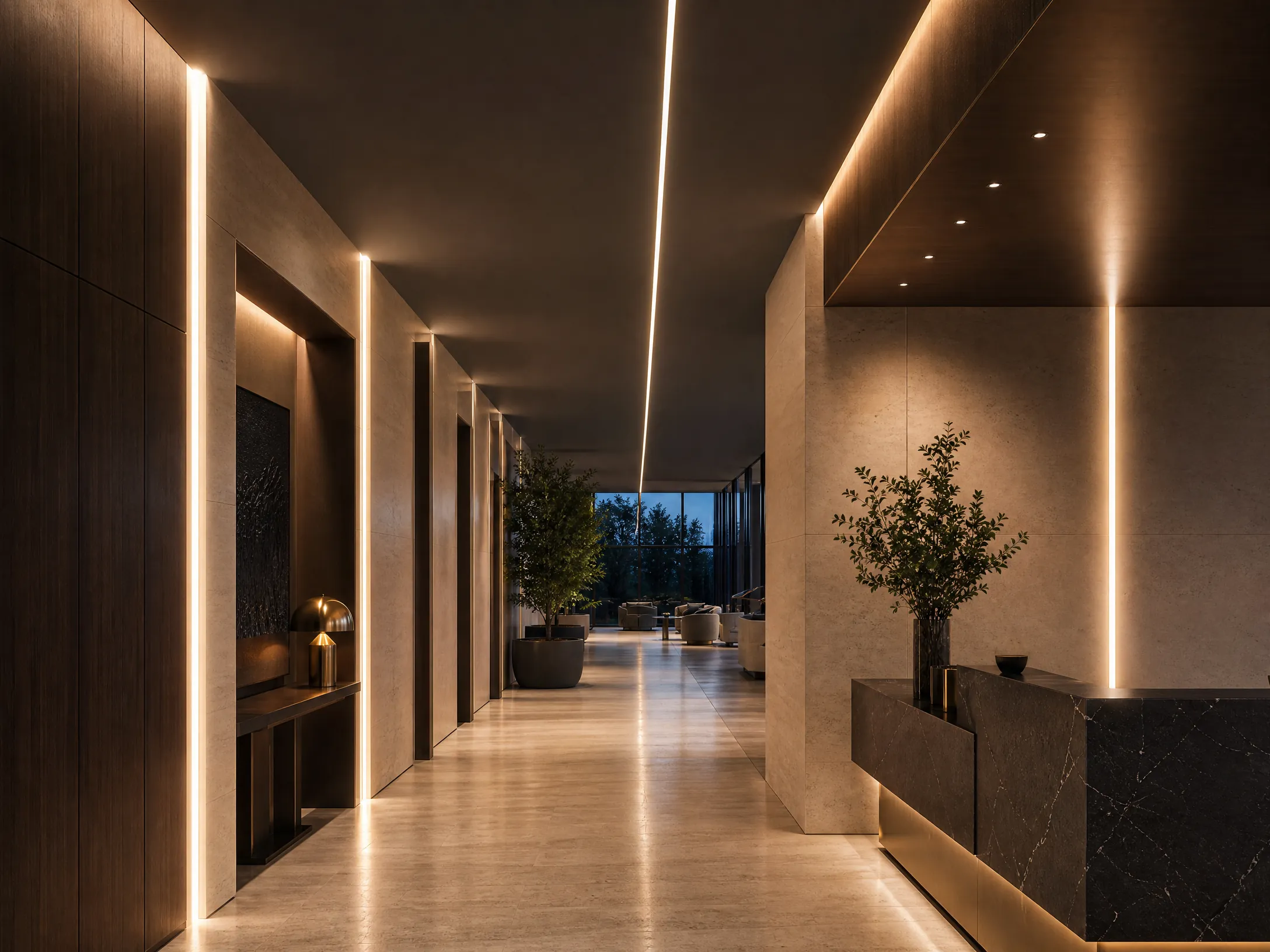
Recent examples from our projects
Ready to start your project?
Get a free consultation via WhatsAppProject Gallery & Design Ideas
A curated mix of Homey project work and realistic design concepts to help you picture the result in your own space.
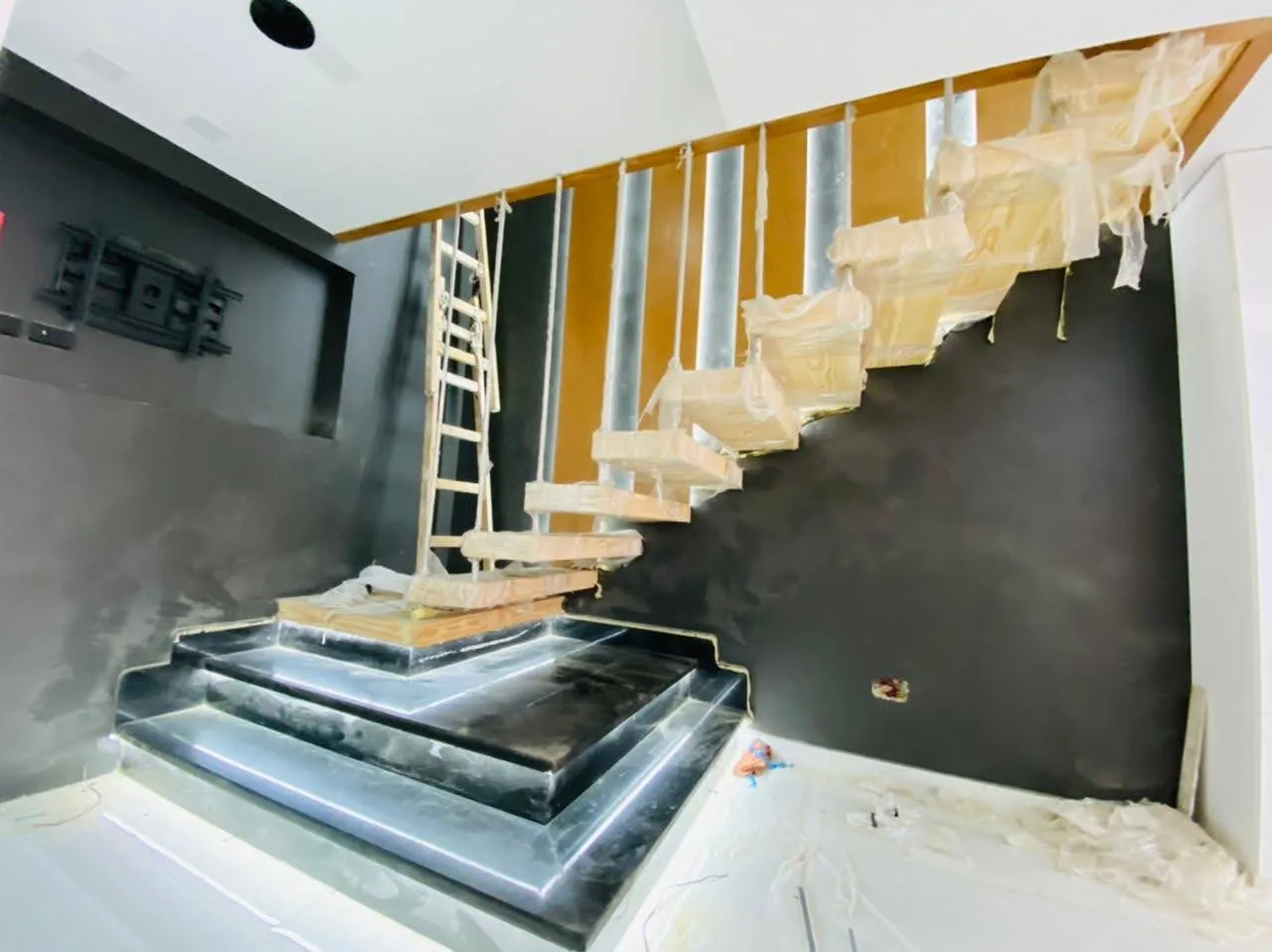
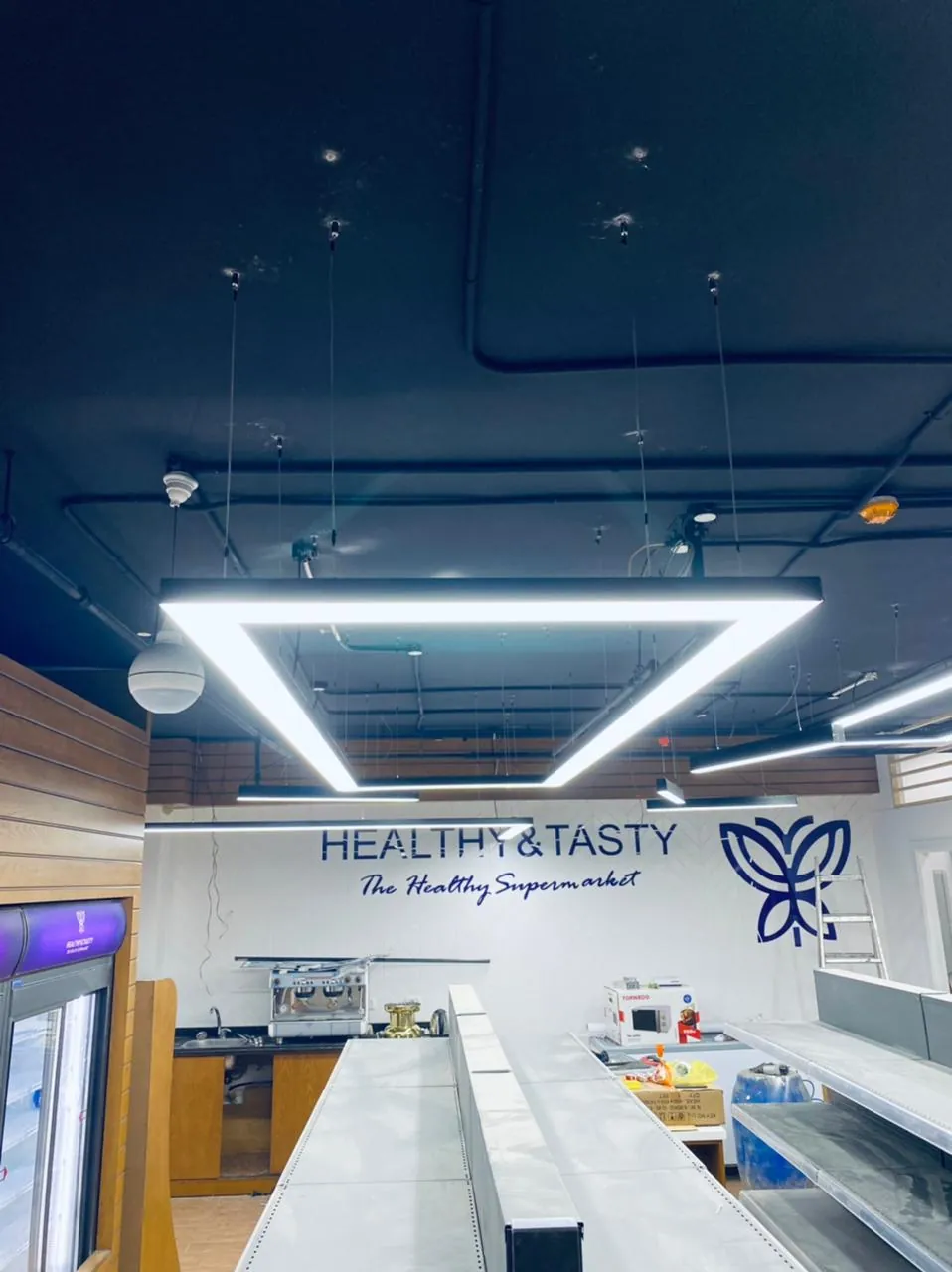
See Our Work in Reality




LED Profile Lighting
LED profile lighting gives you a clean, continuous line of light that can act as ambient, task or accent illumination depending on placement and specification. Common, highly effective uses include concealed perimeter coves that wash ceilings, recessed runs over kitchen worktops, under-cabinet and inside-wardrobe installations for task lighting, and linear reveals that emphasize architectural details. Because the light source is hidden inside an aluminum channel with a diffuser, the result is even, shadow-free illumination and a refined, minimalist aesthetic that integrates with millwork, plaster ceilings or bespoke joinery.
Successful LED profile installations are driven by a few planning choices and coordination steps. You’ll first choose the profile style (recessed/trimless, surface-mounted or corner-mounted) and the diffuser type (opal for softer, even light; clear for slightly higher output). The aluminum profile also acts as a heat sink and must be matched to the LED tape and driver location—drivers can be remote or tucked into bulkheads but need accessible service points. Decide early whether you want dimming, scene control, or tunable white, because those control systems must be specified for compatibility and coordinated with your electrician. Finally, installation often requires coordination with other trades—plasterers for recesses, carpenters for integrated joinery, tilers where profiles meet wet areas, and the electrician for power feeds and junctions—so we plan the sequence to avoid rework.
Before contacting Homey Decor we ask clients to gather a few practical items to speed the survey and quotation process. Take clear photos of the ceiling or wall from several angles, note existing light sources and the location of main electrical outlets or junction boxes, and measure the run length and cavity depth where possible. Tell us the intended function (primary, task, or decorative), any preferred color temperature or dimming needs, and whether the room will undergo other works (painting, new plasterboard, cabinetry, tiling). If you have inspirational images or sketches of the desired look, include them—this helps us advise on profile style, diffuser selection and any trimless or plaster finish details during the site visit.
- Define the light’s role first: main ambient, task-focused, or accent/detail lighting—this determines LED brightness and zoning.
- Choose profile type early (recessed/trimless, surface-mounted, or corner) and the diffuser (opal for soft uniform light, clear for higher output).
- Confirm controls and drivers up front: simple dimming, smart scenes, or tunable white require different components and wiring layouts.
- Identify power feed points and ceiling/wall construction—recessed profiles need enough cavity depth; surface options reduce structural changes.
- Prepare photos, rough measurements, notes on existing electrics and any concurrent trades (plastering, carpentry, tiling) before the site visit.
Frequently Asked Questions
How do I know whether my ceiling can accommodate a recessed LED profile?
It depends on the ceiling’s construction and available cavity depth. Plasterboard or suspended ceilings commonly accept recessed profiles, while solid ceilings may require a surface-mounted option. Send photos and a few measurements and we’ll confirm feasibility during the site visit.
Can I dim or change the color temperature after installation?
Dimming is readily available but must be specified with compatible drivers and control systems during planning. Changing color temperature later requires tunable fixtures and the right control hardware from the start, so decide whether you want fixed warm/cool or tunable white before installation.
Are LED profiles suitable for wet or humid areas like bathrooms and kitchens?
Yes, but placement and product selection matter. Profiles and LED tapes with appropriate moisture resistance should be used near wet zones, and installation must be coordinated with waterproofing and tiling trades. We assess location and recommend profile and sealing solutions during the survey.
For a coordinated solution tailored to your space, explore related Homey Decor services and products, and browse Homey’s selected home products on Amazon. Homey Decor services | Homey on Amazon
How do you choose an LED profile for task or decorative lighting?
An LED profile used as primary light has different power, distribution and cooling needs from a decorative linear accent. We review the mounting surface, line shape, colour temperature, power supply and control before selecting the aluminium channel and strip for a kitchen, ceiling or dressing room.
Common applications
- Recessed or surface-mounted LED profiles for ceilings and drywall.
- Under-cabinet and worktop lighting for kitchens.
- Linear lighting inside dressing rooms, corridors and feature walls.
اقرأ أيضاً: Interior lighting guide Fiber optic star ceilings