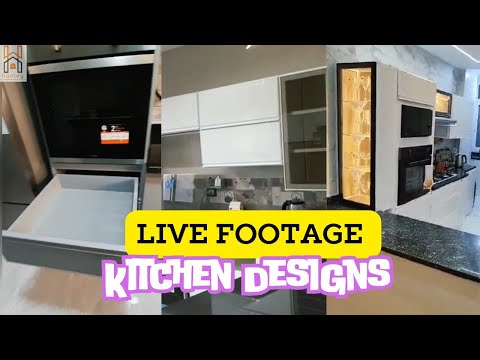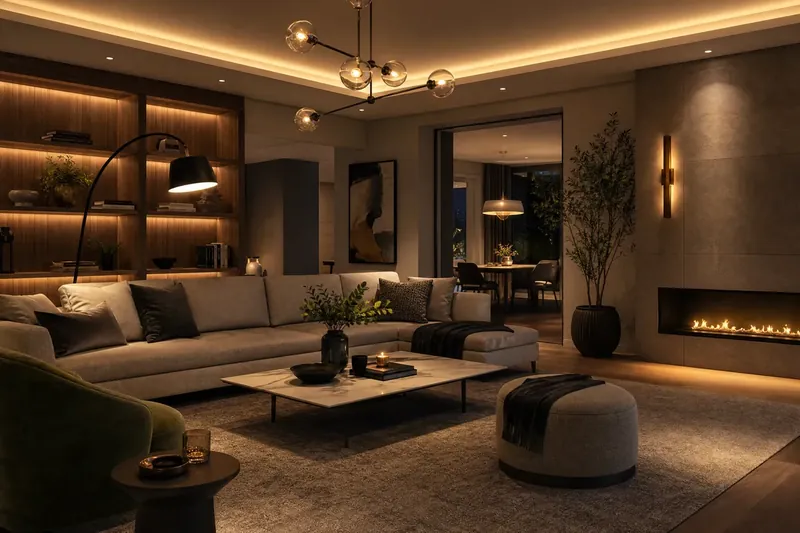
Begin with an audit: note how much natural light each room gets, what activities happen there, and which surfaces reflect or absorb light. Prioritise layered lighting — ambient, task and accent — and choose color temperatures that match the room’s purpose: warmer for relaxation, cooler for focused tasks. Specify fixtures for durability in hot, dusty or humid conditions and plan accessible maintenance paths for bulbs and drivers. When hiring a contractor, ask about load calculations, dimmer and control compatibility, IP ratings for wet areas, and regular maintenance plans. For tailored layouts and fixture selection adapted to local conditions, consider discussing options with Homey Decor’s lighting consultants.
Practical Lighting Decisions: Planning, Placement and Pitfalls
Begin by documenting how natural light moves through each space across a full day and which surfaces reflect or absorb brightness. Note the primary activities in every zone — reading, cooking, relaxing, video calls, or exercise — because the required quality and direction of light depend on those tasks. For instance, a kitchen needs focused illumination over counters and the island, plus more forgiving general light that won’t cast deep shadows; a bedroom benefits from softer, lower-glare lamps for winding down while a home office performs best with crisp, evenly spread light to reduce eye strain. Consider ceiling height and nearby finishes: high ceilings often need higher-output fixtures or multiple layers of light, while dark walls reduce effective brightness and may require higher lumen outputs or strategically placed reflectors.
Choose fixtures based on purpose, beam control and serviceability rather than appearance alone. Use narrow-beam fittings for highlighting art or point tasks and wider-angle luminaires where even distribution is key. Select color temperatures that support the intended mood — cooler white tones for concentration areas and warmer tones for relaxation — and pay attention to a light source’s color-rendering ability so textiles, food and skin tones look natural. Plan for dimming and controls from the start: verify fixture-driver-dimmer compatibility and ensure drivers are accessible for replacement. Finally, prepare complete measurements, photos and a short list of routine maintenance tasks for any contractor or installer so the chosen layout is both beautiful and practical to keep functioning well over time.
- Record daylight levels at morning, noon and evening
- List activities by room to define light function
- Bring paint and fabric samples when selecting temperature
- Check dimmer and LED driver compatibility in advance
- Plan maintenance access for bulbs and drivers
Frequently Asked Questions
How do I choose the right color temperature for each room?
Match the light tone to the room’s primary use: opt for warmer tones in relaxation areas and cooler tones where alertness or color accuracy matters. Test samples in the actual room with furniture and window positions present to judge how the tone interacts with finishes.
Can I rely on the fixture’s look alone when buying lighting?
No. A fixture’s style doesn’t guarantee correct light distribution, glare control or serviceability. Confirm beam angle, lumen output, mounting height and maintenance access before purchase to avoid poor performance despite attractive design.
What should I prepare before asking an electrician for a lighting plan?
Have room measurements, ceiling heights, photos, a list of tasks for each zone, preferred control types (dimmers, switches, scenes), and any existing circuit or panel constraints. This saves time and avoids surprises during installation.
For a coordinated solution tailored to your space, explore related Homey Decor services and products, and browse Homey’s selected home products on Amazon. Homey Decor services | Homey on Amazon