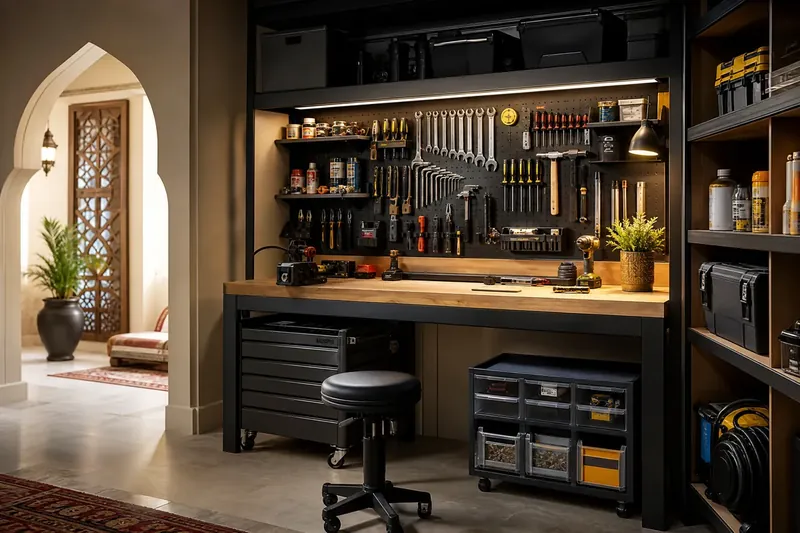
Your Practical Guide: Essential Home Maintenance Toolkit and Quick Repairs
Short practical introduction
Having an organized home maintenance toolkit and a simple emergency pack saves time and prevents small faults from escalating. This guide lists practical tools, organization tips for households with children, and a quick decision table to help you decide whether a repair is safe to do yourself or requires a licensed professional. Examples reference realities in Egypt and the Middle East while remaining useful to global readers.
Essential Hand Tools — What to Include in a Starter Toolkit
A list of hand tools every home should have (metric sizes first):
- Medium-weight hammer (around 400–600 g).
- 5 m tape measure with a locking mechanism.
- Screwdriver set (flat and Phillips) in multiple sizes.
- Metric Allen key (hex) set.
- Adjustable wrench (crescent wrench).
- Combination pliers and needle-nose pliers for gripping and cutting.
- Wire cutters and a general-purpose utility knife (safety blade).
- Wire stripper and cutter.
- Socket set and ratchet handles (metric and imperial where needed).
- Pipe wrench or adjustable pipe spanner for simple plumbing tasks.
- 60 cm spirit level (important for hanging cabinets and fixtures).
- Cordless drill (12–18 V battery) with a set of driver bits and drill bits of various sizes.
- Multi-tool knives and a small electric scissors for fabric or light cutting.
Why these choices? These items allow you to hang shelves, repair a simple tap, replace internal sockets (after cutting power), or clear minor blockages and perform light maintenance.
Emergency Supplies and Fast Access Organization
What should be in a home emergency bag?
- A bright emergency flashlight with spare batteries or a phone power bank.
- A basic first-aid kit: plasters, antiseptic, sterile gauze and bandages.
- Quick shut-off tools: an accessible water shut-off key (or know location of the main valve), a small gas shut-off wrench where household gas piping is used, and knowledge of how to isolate the electrical panel (main breaker location).
- Water-clearance aids: a toilet plunger and a manual sink auger for clearing drains.
- Flexible repair wire for temporary fixes, waterproof duct tape and electrical insulation tape.
- A household fire extinguisher rated for ABC fires and, where possible, smoke and gas detectors.
Quick organization tip: keep the emergency bag in a marked, consistent location on a household map (for example, on top of a cabinet near the main exit or in a designated kitchen drawer) and make sure every family member knows where it is.
Real-World Examples for Egypt and the Middle East
- Roof water-tank leaks: place a water-leak sensor at the tank base and keep an easily reachable shut-off valve; train the rooftop attendant or building worker how to operate the shut-off in emergencies.
- Water heaters (gas or electric): ensure a clear gas shut-off key and protective insulation around the control panelling; any work on gas lines should be performed by a licensed gas technician.
- Window and ceiling-mounted air conditioners: keep simple cleaning tools like a brush, screwdriver and nozzle attachments for maintenance; regular filter cleaning reduces electrical faults.
How to Organize Your Tools — Safe, Effective Storage Solutions
Suggested storage system:
- A lockable toolbox to keep small and sharp tools away from children.
- A wall pegboard mounted in a small workshop or storeroom at an appropriate height (about 1.6–1.8 m) to hang frequently used tools.
- Divided drawers or small parts boxes for screws, bolts and washers; label contents clearly.
- A small, portable emergency bag containing first-aid and emergency electrical items.
Practical tips:
- Store screwdrivers and hammers on a wall pegboard out of children’s reach.
- Place the gas, water and electrical shut-off keys on the household emergency map inside a kitchen cupboard or next to the exit door.
Childproofing and Safe Installations for Homes with Children
Child-safety practices:
- Use lockable toolboxes or safety latches on drawers that contain sharp tools or chemicals.
- Install child locks for drawers holding blades, batteries or small parts.
- Anchor tall shelves and cabinets to the wall with anti-tip straps and use appropriate wall fixtures; avoid storing heavy tools on high shelves.
- Keep button batteries, screws and small fasteners out of reach.
Warning: use licensed professionals for structural work or large installations that require special safety anchors for child protection.
When to DIY and When to Call a Licensed Professional — General Rules
Quick rules before starting any task:
- Use personal protective equipment (gloves, safety goggles, dust mask) as needed.
- Isolate the relevant energy source (electricity, gas, water) before touching connections.
- If the task involves structural changes, gas line modifications, or the main electrical panel — call a licensed professional.
Examples:
- Generally safe DIY jobs: replacing a light bulb, mounting a shelf, replacing a simple tap cartridge, minor toilet unclogging with a plunger, changing a small computer outlet after cutting power.
- Jobs that require a professional: major leaks that need pipe section replacement, installation or repair of gas boilers, work on the main electrical distribution board or breakers, structural repairs to walls or ceilings.
Quick Decision Table (Printable) — When to DIY and When to Call a Pro
| Fault type | Safe to try yourself | Call a licensed professional |
|---|---|---|
| Indoor light fixtures out | Yes (after cutting power) | No |
| Non-working power socket | Maybe (check fuse/breaker) | Yes if internal wiring or outlet replacement is needed |
| Minor faucet leak | Yes (replace washer/seal) | Yes if leak is from underground connection or main pipe |
| Toilet blockage | Yes (plunger or hand auger) | Yes if it recurs or is in main sewer line |
| Smell of gas | No — evacuate and call gas company and a licensed pro | Always: gas company and licensed technician |
| Central heating/boiler issues | No (gas risk) | Yes |
Smart Devices to Prevent Electrical and Water Emergencies (Preventive)
Smart devices that reduce long-term costs and damage:
- Small water leak sensors (wired or wireless) placed under cabinets, behind washing machines and beneath rooftop tanks; many link to apps for instant alerts.
- Smart shut-off valves that automatically close when a leak is detected (recommended to have a licensed plumber install them at the main water line).
- Smart electrical monitors and smart plugs that can cut power to devices when overload or unusual activity is detected.
- Connected home monitoring systems (cameras, internet-connected smoke and gas detectors) with push notifications to your phone.
Warning: installations that connect to main lines (water, gas or mains electricity) usually require a licensed installer to comply with safety regulations and local codes.
Quick Regular Maintenance Checklist (Every year to every few months)
- Every 1–3 months: check the fire extinguisher, replace batteries in smoke detectors if needed, clean air-conditioner filters.
- Every 6 months: inspect water connections under sinks, clean bathroom and sink drains, visually check gas lines for smell or visible corrosion.
- Annually: have a licensed technician perform a full inspection of the electrical panel, and service water heaters and heating systems.
Frequently Asked Questions
- How do I start building a toolkit on a tight budget?
- Start with essentials: hammer, 5 m tape measure, screwdriver set, adjustable wrench, flashlight and spare batteries, and a basic first-aid kit. Buy advanced tools gradually as needs arise.
- Where should I keep my emergency bag in my apartment?
- Near the main exit or in a clearly marked kitchen drawer. Keep a small map showing shut-off locations inside a cupboard door.
- Can I install a water-leak sensor myself?
- Yes, many wireless leak sensors are simple to install. However, installing an automatic shut-off valve on the main water line is best done by a licensed plumber.
- What signs indicate I should call an electrician?
- Sparks from outlets, a burning smell, breakers tripping continuously, or hot electrical panels/outlets — all are reasons to contact a licensed electrician.
- How do I secure my tools with children at home?
- Use lockable boxes, drawer latches, and anchor shelving with anti-tip brackets.
- Can a cordless drill replace hand tools?
- A cordless drill improves speed for drilling and fastening, but doesn’t replace precision hand tools such as fine screwdrivers, pliers or a pipe wrench.
- What is the first step when discovering a major water leak?
- Turn off the main water valve, isolate electricity safely if possible (do not touch electrical panels with wet hands or while standing in water), and call an emergency plumber.
Amazon
For product categories useful when building your toolkit (hand tool sets, cordless drills, storage boxes, safety equipment), review options and user feedback at our Amazon storefront: Amazon storefront
Note: always verify product suitability for your needs, read user reviews, and look for local alternatives in Egypt and the Middle East before purchasing.
Invitation to Consult Homey
If you would like an on-site assessment, smart-safety device installation, or more complex repairs, Homey Handyman Services, Homey Emergency Plumbing Repair and Homey Smart Home Installation can provide professional consultations and assignments. Contact us to book a field assessment or a phone consultation.
References
- Home maintenance checklists: (https://www.familyhandyman.com/list/home-maintenance-checklist/)
- Homeowner maintenance kit guide: (https://restore.tchabitat.org/blog/homeowner-maintenance-kit)
- Preparing a household emergency kit: (https://www.ready.gov/kit)
Practical maintenance priorities for Middle East homes
Hot, sunny, and dusty conditions common across the Middle East change how houses age and which repairs recur. Prioritize climate-exposed items: inspect exterior sealants and weatherproof joints for cracks, keep awnings, shutters or exterior blinds in good condition to reduce heat and UV stress on windows and interiors, and clear rooftop and balcony drains regularly so sand and debris do not block water paths. Inside, ventilate regularly to limit dust buildup and control humidity in bathrooms and kitchens to reduce mould and corrosion that accelerate wear on fixtures and finishes.
Many routine problems can be kept small with simple checks and temporary measures. Make a habit of inspecting water fittings and visible pipes for early signs of mineral deposits or hairline leaks; remove lime scale from aerators and showerheads with mild descalers or vinegar so flow stays steady. For electrical reliability, use surge-protecting power strips for sensitive electronics and consider an uninterruptible power supply for essential devices; when frequent voltage changes occur, label crucial circuit breakers and document how to safely disconnect individual circuits. Store hand tools and consumables in a cool, shaded spot away from abrasive dust and direct sunlight to extend their life, and keep a few basic repair materials (plumber’s thread tape, extra screws, adhesive patches) in an accessible drawer so small problems are resolved quickly.
Small habits save time and avoid escalation: take photographs of fittings before taking them apart to simplify reassembly, test alarm and safety devices on a schedule you can remember (for example, start of each season), and keep a concise household map with the location of water, gas and electrical isolation points where everyone in the home can find it. If you prefer tailored guidance, Homey Decor can help create a maintenance plan suited to local conditions and typical building types in your area.
- Monthly: wipe dust from outdoor vents and clean or replace HVAC filters during heavy-use periods to maintain airflow and efficiency.
- After storms or strong winds: sweep roofs, gutters and external drains to prevent sand accumulation and ponding.
- Before disassembling fixtures (taps, light fittings, shelving): take a close-up photo and label fasteners to speed reassembly.
- Store batteries for cordless tools at moderate charge in a cool, dry container and avoid leaving them on concrete or in direct sun.
- Keep a small box with plumber’s tape, spare washers, a couple of common spare bulbs and a universal screwdriver set in an easily reachable place for quick fixes.
Frequently Asked Questions
How often should I service air-conditioning in a hot-dry climate?
Perform basic cleaning and filter checks yourself every few weeks during the cooling season; arrange a professional inspection and deeper servicing at least once a year to check condensate drainage, refrigerant pathways and overall performance.
What are the first steps when I find a slow leak under a sink?
Turn off the water supply to the affected fixture if possible, place a container to catch drips, clear the area so you can see the source, and use temporary thread seal tape or a compression clamp if the leak is minor; for persistent leaks or if pipe joints are involved, contact a qualified plumber.
When should I stop trying a DIY electrical repair and call a pro?
If the task requires working inside the consumer unit, modifying fixed wiring, or involves recurring tripping or burning smells, stop and hire a licensed electrician—minor tasks like replacing switches or outlet covers are manageable if you disconnect power and follow safe procedures.
For a coordinated solution tailored to your space, explore related Homey Decor services and products, and browse Homey’s selected home products on Amazon. Homey Decor services | Homey on Amazon